
Course · Teens & adults · all three levels
HSKK Speaking Test Prep
More universities and employers now ask for the HSKK — the spoken companion to the written HSK, taken into a microphone against the clock. We train it the way it's tested: recorded, timed, and levelled, until the format holds no surprises.
- When
- Year-round · schedule set to your exam date
- Where
- Gaobeidian campus, Beijing · online
- Class size
- 4–8 in group · one-to-one available
- Ages
- Teens & adults
- Price
- Ask for a quote
What the HSKK is
The HSKK (汉语水平口语考试) is the official spoken Chinese exam, scored separately from the written HSK. It comes in three levels — Beginner, Intermediate, and Advanced — and every level is recorded: you listen, prepare briefly, and speak your answers into a microphone within strict time limits. Scholarship schemes and Chinese-taught degree programs increasingly require it alongside a written HSK score.
How we prepare you
Speaking exams are won on format as much as fluency, so practice mirrors the test from day one:
- Recorded drills — every practice answer is recorded and reviewed, so microphone nerves are spent long before exam day.
- Model answers — for each task type, you learn answer skeletons that score, then fill them with your own vocabulary.
- Timing practice — the clock is the hidden opponent; we train prepare-and-speak rhythms until the time limits feel roomy.
- Pronunciation repair — targeted work on the tones and sounds that cost points, drawing on our spoken-first teaching method.
Pairing it with the written HSK
Most students take the HSKK level that matches their written target — Beginner alongside HSK 1–2, Intermediate with HSK 3–4, Advanced with HSK 5–6 — and prepare both in one plan with our HSK course. Coming for the HSKK alone (a scholarship requirement, say) works too: a placement test sets your level and the course runs standalone.
Booking the exam
HSKK sittings are less frequent than written HSK dates, so we plan around the calendar early: we help you register at a Beijing test centre — allow about two months’ lead — and set the course schedule to land your peak the week of the exam.
Good to know
Your questions, answered
Which HSKK level should I take?
Match it to your written level: HSKK Beginner pairs with HSK 1–2, Intermediate with HSK 3–4, Advanced with HSK 5–6. If a university or scholarship scheme named a required level, that decides it; otherwise your placement test tells us which level you can pass on your timeline.
Do I need to be taking the written HSK too?
No — the HSKK is its own exam and the course runs standalone. That said, most students prepare both in one plan, because the vocabulary overlaps and scholarship applications usually want the pair.
What is the exam day actually like?
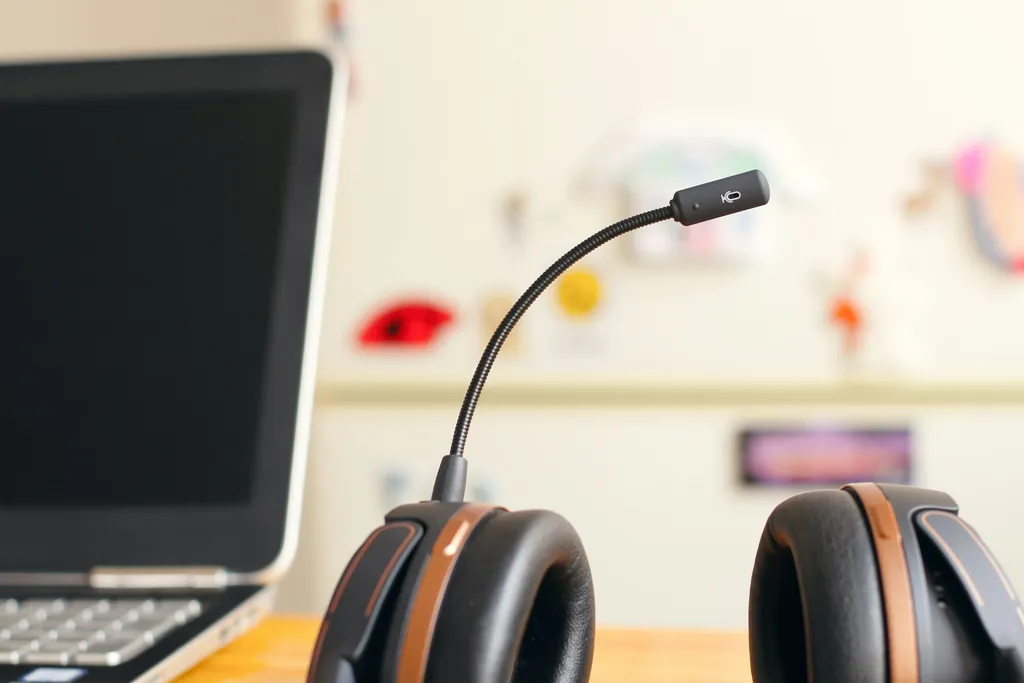
You sit with a headset and microphone: listen to prompts, prepare briefly, and speak your answers against the clock — no live examiner. That's exactly why we train with recordings and timers from the first lesson; by exam day the format is muscle memory.
My Chinese is fluent but messy — will this course help?
It's built for you. Fluent-but-messy loses points on tones, structure, and timing — all trainable. Recorded drills expose the exact habits costing marks, and model-answer skeletons give your fluency a shape the scoring rewards.
Student voices
From someone who did it
They pushed me across all four skills — speaking, listening, reading, writing — in a way that actually stuck. Challenging in the best sense.
Get in touch
Tell us who's learning
Ready when you are
One conversation is enough to check dates, fit, and the right level.